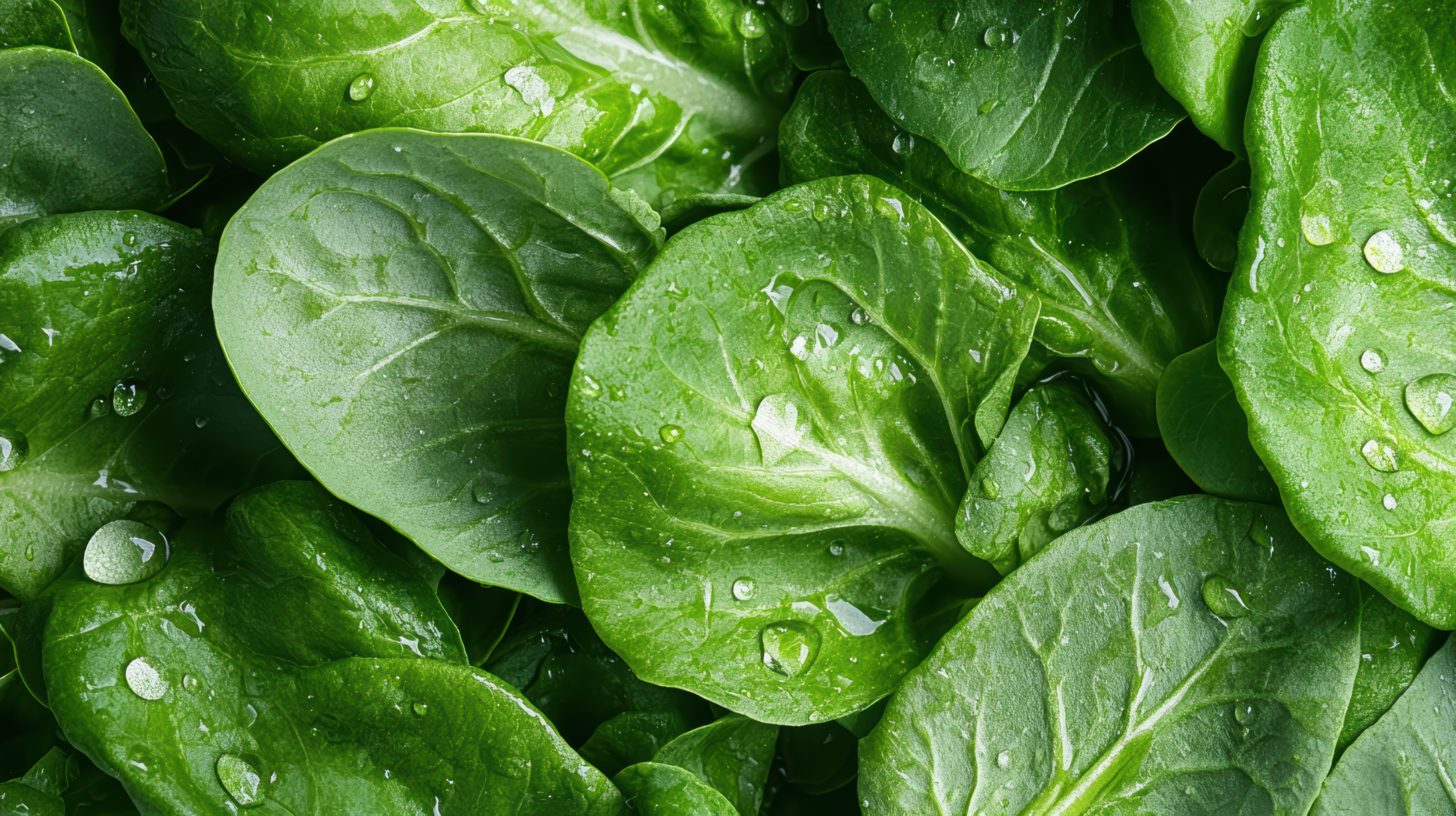
Spinach cooks faster than almost any other vegetable, which is why it is so often overdone. A few seconds too long and it collapses into a dull, watery mass. Cooked with care, spinach is tender, fresh tasting and surprisingly versatile. The best way to cook spinach is to match the method to how you plan to eat it and to stop cooking earlier than you think.
This article explains how to cook spinach well, when heat is needed and when it is not, and how to avoid the common mistakes that strip it of colour and flavour.
Understanding Spinach Before Cooking
Spinach is mostly water. Heat causes the leaves to release that water very quickly, which is why a large pile reduces to a small portion in moments. Because of this, spinach needs very little cooking and almost no preparation.
Young spinach leaves are delicate and suited to quick methods. Mature spinach has thicker stems and benefits from slightly more attention.
Preparing Spinach Correctly
Wash spinach thoroughly to remove grit, especially if it is not pre washed. Drying is important for some methods but not all.
Remove any tough stems from mature spinach. Baby spinach usually needs no trimming.
Do not chop spinach unless a recipe requires it. Whole leaves cook more evenly and retain better texture.
What Is the Best Way to Cook Spinach?
There is no single best method in every case. Spinach responds well to very quick cooking or very gentle heat. Long cooking times do not improve it.
Steaming works for clean, neutral flavour.
Pan cooking adds light richness.
Boiling works only if it is extremely brief.
Raw or barely wilted spinach suits salads and gentle dishes.
The right choice depends on how spinach will be used.
Pan Cooking Spinach
Pan cooking is one of the most practical methods.
Heat a wide pan with a small amount of oil or butter. Add the spinach and turn it gently as it wilts. This usually takes less than a minute.
Once wilted, remove from the heat immediately. Season after cooking rather than before.
Pan cooked spinach should still be bright green and just tender.
Steaming Spinach
Steaming suits spinach that will be served plainly or added to other dishes.
Place spinach in a steamer over simmering water. Cover and cook briefly until just wilted.
Drain well. Pressing out excess moisture gently improves texture and flavour.
Boiling Spinach Without Ruining It
Boiling spinach is risky but possible.
Use plenty of rapidly boiling salted water and cook spinach for only a few seconds. Drain immediately.
Boiled spinach must be drained thoroughly. Leaving it in hot water causes continued cooking and waterlogging.
Using Spinach Raw or Barely Cooked
Spinach does not always need cooking.
Young spinach leaves work well raw in salads or stirred into warm dishes where residual heat softens them slightly.
This approach preserves freshness and avoids the texture issues that come with overcooking.
Seasoning Spinach Well
Spinach benefits from simple seasoning.
Salt should be added after cooking to avoid drawing out water too early. A small amount of fat improves mouthfeel. Acidity such as lemon juice or vinegar brightens flavour.
Avoid heavy sauces, which overwhelm spinach easily.
Common Spinach Mistakes
Cooking too long leads to dull colour and watery texture.
Crowding the pan causes steaming rather than wilting.
Seasoning too early releases excess water.
Skipping proper draining leaves spinach soggy in the dish.
Reheating spinach repeatedly damages texture.
Final Thoughts on Cooking Spinach
Spinach rewards restraint. The best way to cook spinach is quickly, gently and with attention. Whether lightly wilted, steamed or used raw, it should retain its colour and freshness rather than collapsing into softness. Once you learn how little cooking it needs, spinach becomes one of the easiest and most reliable vegetables to use well.
This post is a preview of what you will find in The Kitchen Unlocked: Book 1 – Ingredients. The full chapter covers how to prep and cook beetroot in more depth, with full recipes and science-backed guidance.
The Kitchen Unlocked is a four-book series for anyone who wants to cook better at home:
Book 1 – Ingredients – Purchase now at https://mybook.to/TKU-Ingredients
Book 2 – Techniques & Methods – https://mybook.to/TKU-techniques
Book 3 – Equipment & Appliances – coming soon
Book 4 – Culture & Cuisines – coming soon
The spinach chapter is just one example of how the series blends clarity with expert insight. If you want to turn everyday ingredients into standout meals, this is the place to start.
Explore more, cook better and unlock your kitchen.