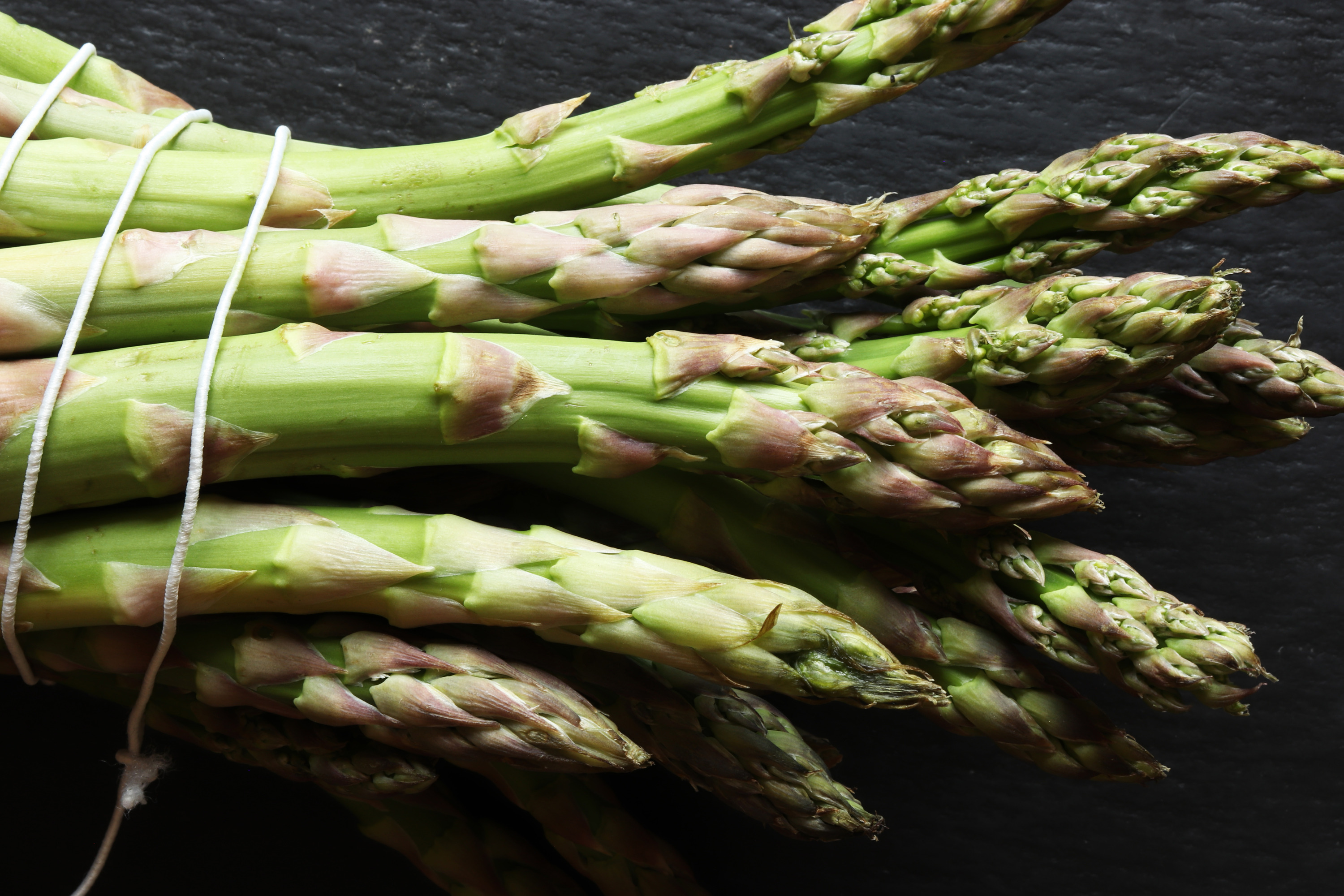
Asparagus has a short cooking window and a very clear point at which it moves from tender to disappointing. When handled properly, it is fresh, lightly sweet and satisfying to eat. When mishandled, it becomes stringy, limp or oddly bitter. The best way to cook and eat asparagus is not about complexity but about respecting its structure and choosing the right method for how you plan to serve it.
This article explains how to cook asparagus properly, how to prepare it so nothing is wasted and how to eat it in ways that highlight its natural qualities rather than masking them.
Understanding Asparagus Before Cooking
Asparagus is made up of water rich stalks with delicate tips. The tips cook very quickly. The lower stalks are denser and need either more time or careful trimming. Good cooking brings both parts to tenderness at the same moment.
Asparagus also loses quality quickly once overcooked. Short cooking times preserve flavour, colour and texture.
Preparing Asparagus Correctly
Start by removing the tough end of each spear. Bend the asparagus gently and it will snap at the natural breaking point. Use this as a guide to trim the rest.
If the spears are thick, lightly peel the lower portion. This improves texture and ensures even cooking.
Rinse briefly under cold water to remove grit. Dry thoroughly if roasting or pan cooking, as moisture prevents proper heat contact.
What Is the Best Way to Cook Asparagus?
There is no single best method in every situation. The best method depends on how you want to eat the asparagus.
Steaming gives clean flavour and tender texture.
Roasting adds depth and light browning.
Pan cooking offers speed and control.
Boiling works when done briefly and with care.
Understanding this allows you to match method to purpose.
Steaming Asparagus
Steaming is one of the most reliable ways to cook asparagus.
Place the spears in a steamer over simmering water. Cover and cook until the stalks are just tender when pierced. This usually takes 4 to 6 minutes depending on thickness.
Remove immediately and season while hot. Steamed asparagus should be bright and retain a slight bite.
Roasting Asparagus
Roasting suits asparagus served as a side or used in salads.
Toss dry spears with oil and seasoning. Arrange them in a single layer and roast in a hot oven until the tips take on colour and the stalks are tender.
Roasted asparagus has a deeper flavour and a firmer texture than steamed.
Pan Cooking Asparagus
Pan cooking works well when time is limited.
Heat a pan with a small amount of oil. Add the asparagus and allow it to take on colour. Add a small splash of water, cover briefly to steam, then uncover to let excess moisture evaporate.
This method balances speed with control and works well for everyday meals.
Boiling Asparagus Without Ruining It
Boiling has a poor reputation because it is often overdone.
Use plenty of salted water and cook asparagus for only a few minutes until just tender. Drain immediately.
Properly boiled asparagus should remain green and structured, not soft or grey.
How to Eat Asparagus
Asparagus is best eaten simply.
Serve it warm with olive oil or butter. Add lemon juice or a light dressing if needed. Grated hard cheese, fresh herbs or a few toasted nuts complement it well.
Avoid heavy sauces that overpower its delicate flavour.
Asparagus can also be eaten cold once cooked, making it suitable for salads and antipasti.
Common Asparagus Mistakes
Overcooking causes limp texture and dull colour.
Skipping trimming leaves woody stalks.
Crowding the pan or tray leads to steaming rather than cooking.
Adding seasoning only after cooling flattens flavour.
Using very high heat scorches tips before stalks are cooked.
Final Thoughts on Cooking and Eating Asparagus
Asparagus rewards attention rather than effort. Short cooking times, proper trimming and choosing the right method for how it will be eaten are what make the difference. When treated with care, asparagus is not just a side dish but an ingredient worth enjoying on its own.
This post is a preview of what you will find in The Kitchen Unlocked: Book 1 – Ingredients. The full chapter covers how to prep and cook asparagus in more depth, with full recipes and science-backed guidance.
The Kitchen Unlocked is a four-book series for anyone who wants to cook better at home:
Book 1 – Ingredients – Purchase now at https://mybook.to/TKU-ingredients
Book 2 – Techniques & Methods – https://mybook.to/TKU-techniques
Book 3 – Equipment & Appliances – coming soon
Book 4 – Culture & Cuisines – coming soon
The asparagus chapter is just one example of how the series blends clarity with expert insight. If you want to turn everyday ingredients into standout meals, this is the place to start.
Explore more, cook better and unlock your kitchen.