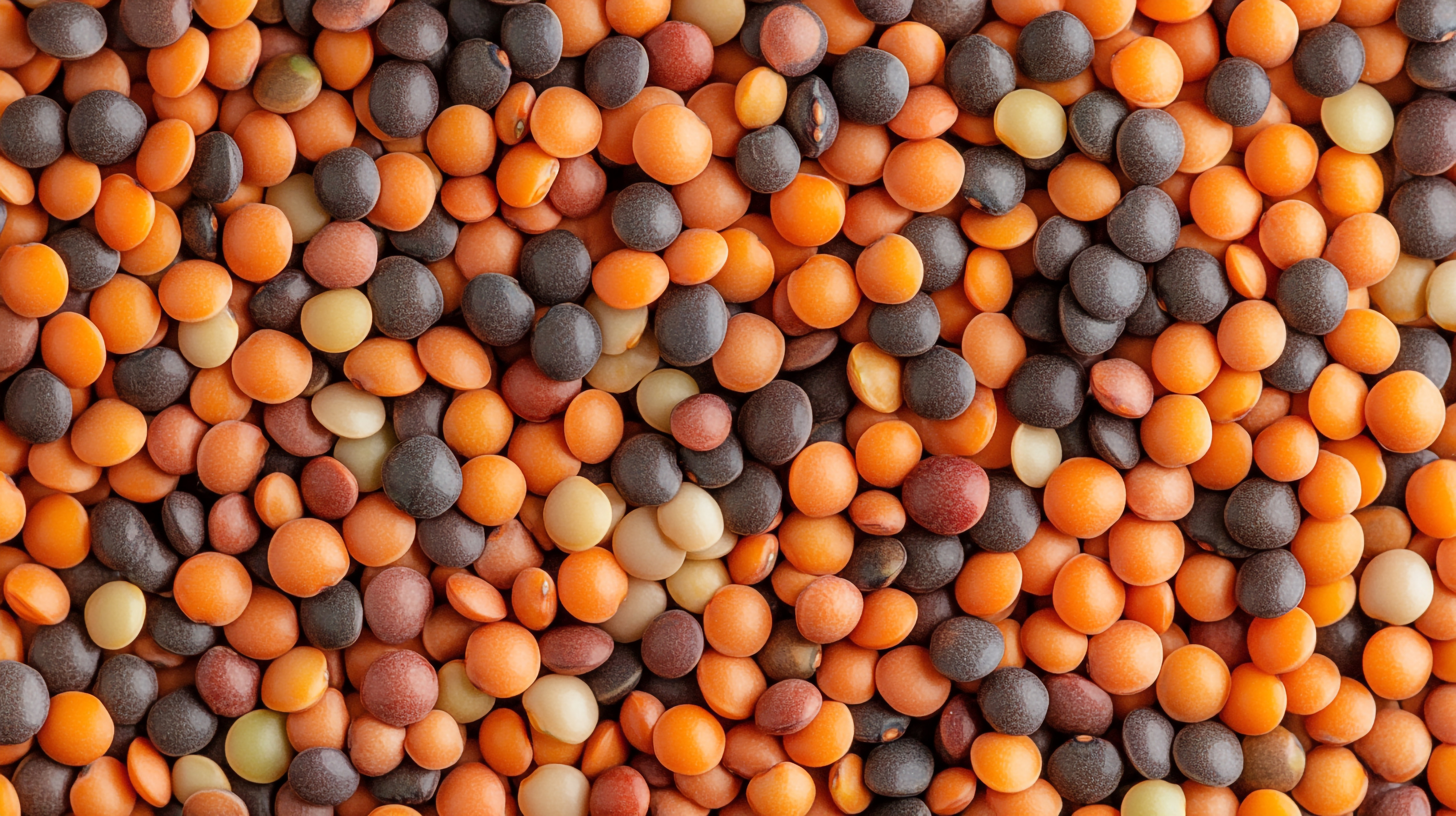
Lentils are one of the most useful staples in the kitchen, yet they are often treated as interchangeable. When cooked without attention, they turn mushy, split unevenly or taste flat. When cooked with intention, lentils are tender, structured and adaptable, working just as well in salads as they do in soups and stews. The best way to cook lentils depends on the type you are using and what you want from them.
This article explains how to cook lentils properly, how different lentils behave under heat and how to achieve consistent results without guesswork.
Understanding Lentils Before Cooking
Lentils vary widely in size, skin thickness and starch content. Some are designed to hold their shape, others to soften and break down. Knowing this determines both cooking time and method.
Green and brown lentils keep their structure and suit salads and side dishes. Puy lentils are smaller and firmer with a slightly peppery taste. Red and yellow lentils are split and cook quickly, breaking down into a soft texture that thickens dishes naturally.
Unlike dried beans, lentils do not need soaking.
Preparing Lentils Correctly
Before cooking, spread lentils briefly on a plate to check for small stones or debris. Rinse under cold water to remove dust.
Use a wide pan rather than a tall one. Lentils cook more evenly when they are not crowded.
What Is the Best Way to Cook Lentils?
Gentle simmering is the most reliable method. Lentils should cook slowly enough to soften evenly without splitting aggressively.
Salt is best added once lentils are nearly tender. Adding it too early can toughen the skins and extend cooking time.
Cooking Lentils on the Hob
Place lentils in a saucepan and cover with plenty of water. Bring to a gentle simmer rather than a rolling boil.
Green lentils usually take 30 to 40 minutes. Brown lentils take around 20 to 30 minutes. Puy lentils cook in 20 to 25 minutes. Red lentils soften in 10 to 15 minutes.
Taste rather than rely on the clock. Lentils are ready when tender but not collapsing unless a soft texture is desired.
Drain once cooked. Lentils should not sit in hot water after they are done, as this leads to splitting.
Adding Flavour During Cooking
Lentils benefit from aromatics rather than heavy seasoning.
Add onion halves, garlic cloves, bay leaves or herbs to the cooking water. These lend flavour without overpowering the lentils.
Remove aromatics once cooking is complete.
Using Lentils for Different Dishes
For salads, cook lentils until just tender and drain thoroughly. Dress while slightly warm so they absorb flavour without becoming soggy.
For soups and stews, allow lentils to soften further so they integrate into the broth.
For curries and dals, red lentils are best. Their natural breakdown creates body without the need for thickening agents.
Common Lentil Problems
Mushy lentils usually mean they were cooked too hard or too long.
Uneven texture often comes from boiling rather than simmering.
Bland lentils are usually under seasoned at the end, not during cooking.
Hard lentils need more time rather than more heat.
Final Thoughts on Cooking Lentils
Lentils reward patience and restraint. Gentle heat, proper timing and understanding which type you are cooking make all the difference. Once these principles are understood, lentils become one of the most dependable ingredients in everyday cooking, capable of forming the base of simple meals or more structured dishes.
This post is a preview of what you will find in The Kitchen Unlocked: Book 1 – Ingredients. The full chapter covers how to prep and cook lentils in more depth, with full recipes and science-backed guidance.
The Kitchen Unlocked is a four-book series for anyone who wants to cook better at home:
Book 1 – Ingredients – Purchase now at https://mybook.to/TKU-ingredients
Book 2 – Techniques & Methods – https://mybook.to/TKU-techniques
Book 3 – Equipment & Appliances – coming soon
Book 4 – Culture & Cuisines – coming soon
The lentils chapter is just one example of how the series blends clarity with expert insight. If you want to turn everyday ingredients into standout meals, this is the place to start.
Explore more, cook better and unlock your kitchen.